As China enters a deeply aging society, by the end of 2023 people aged 60 and above had reached 2.9 hundred million, of whom more than 1.9 hundred million live with chronic disease, making the "long but unhealthy life" problem increasingly prominent. 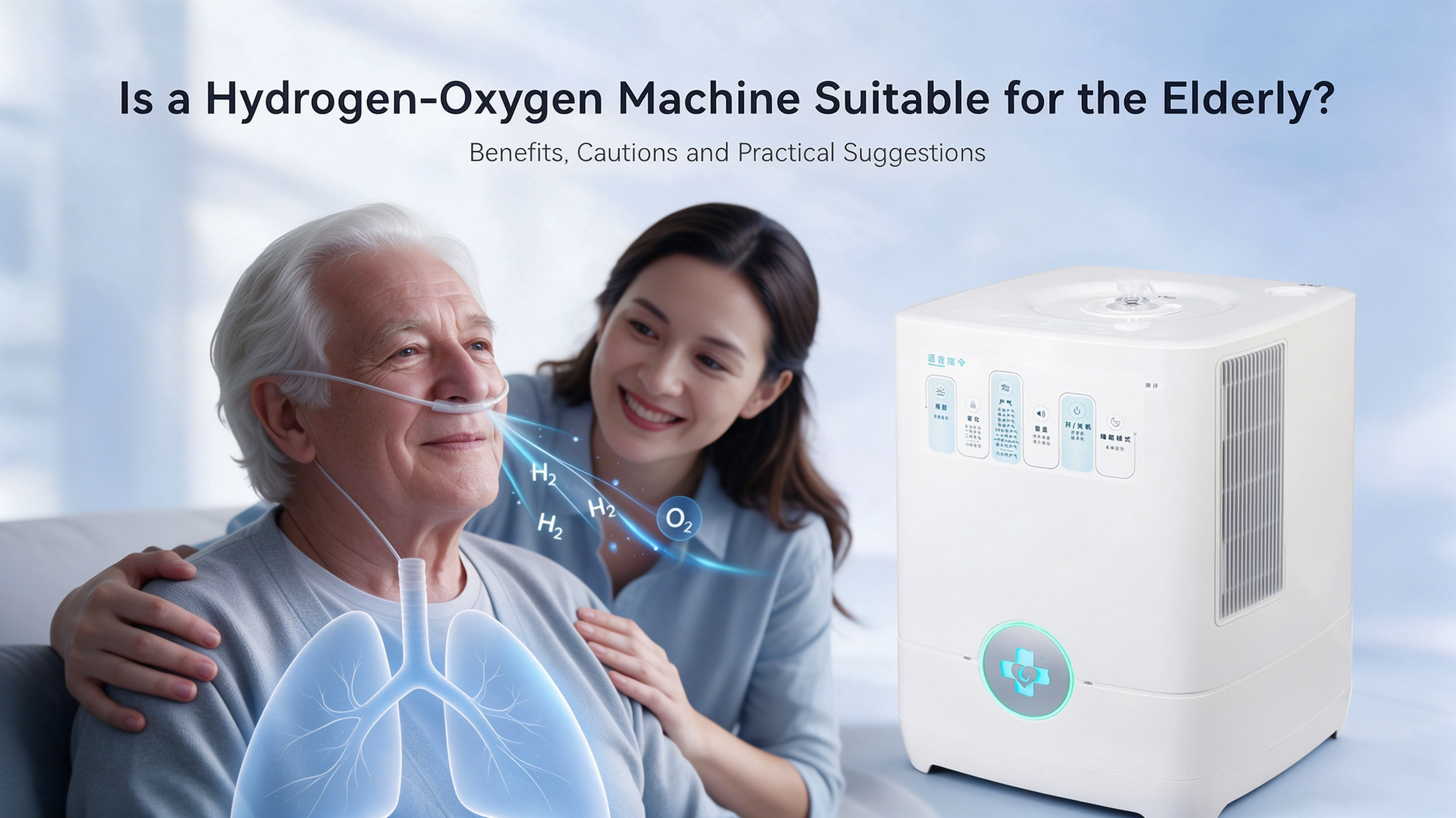
Against this backdrop, hydrogen-oxygen medicine, an adjunctive treatment that has drawn much attention in recent years, shows unique value in managing chronic conditions among the elderly. So is a hydrogen-oxygen machine suitable for the elderly? What scientific basis lies behind it?
Clinical Value of Hydrogen-Oxygen Machines in Elderly Chronic Disease
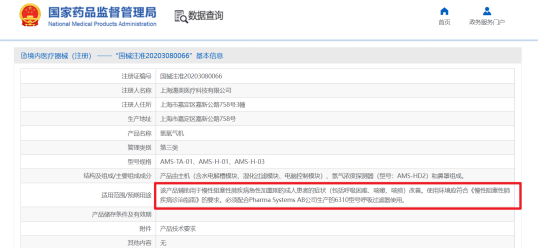
Chronic obstructive pulmonary disease (COPD) is one of the most common chronic respiratory diseases among the elderly, with about 100 million patients in China. The NMPA-approved indication for the hydrogen-oxygen machine clearly states: "This product can be used adjunctively to relieve symptoms (including breathing difficulty, cough, and phlegm) in adult patients in the acute exacerbation phase of chronic obstructive pulmonary disease."
In addition, in 2023 the Shandong Provincial Health Commission listed "hydrogen-oxygen inhalation for improving sleep-disordered breathing" and "clinical application of hydrogen-oxygen nebulized inhalation in the perioperative period of total hip replacement in the elderly" as provincial-level appropriate health technology promotion projects.
Beware of the Industry Chaos in Hydrogen-Oxygen Machines
However, the booming hydrogen-oxygen market also comes with industry chaos. In recent years, market regulators in many regions have investigated numerous false-advertising cases involving hydrogen-oxygen machines — unscrupulous vendors used "hydrogen therapy salon" trial experiences to sell ordinary products without medical-device qualifications to the elderly, claiming they "cure all diseases." In August 2023, Xinhua Net published the article "Decoding the 'Cures-All' Hydrogen Therapy Salon," which clearly stated that currently the NMPA has approved only one brand's hydrogen-oxygen nebulizer as a Class III medical device, and all the various other hydrogen generators flooding the market are copies or knockoff products.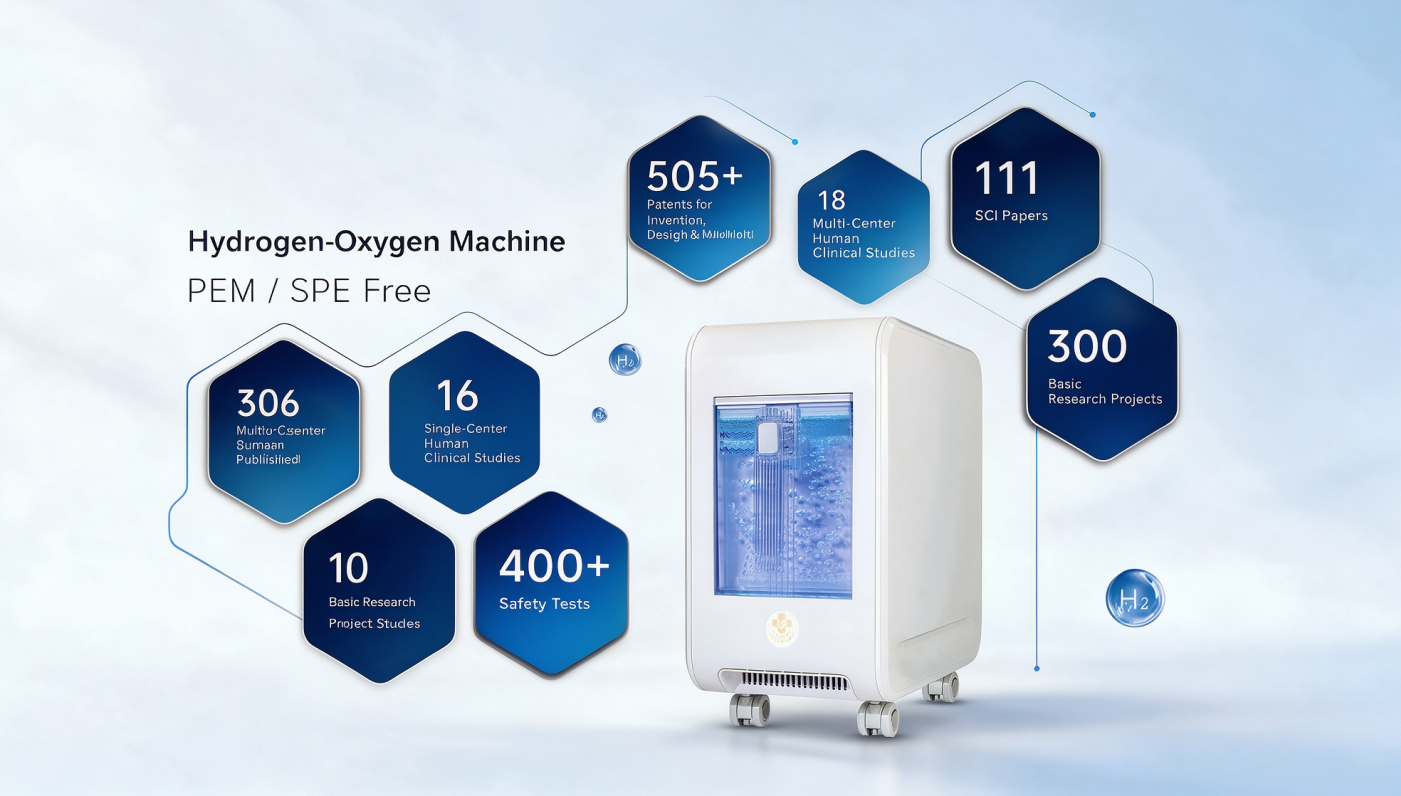
How to Choose a Hydrogen-Oxygen Machine Correctly?
Faced with a mixed-quality market, keep these three principles firmly in mind when choosing a hydrogen-oxygen machine:
First, look for Class III medical device certification. Hydrogen-oxygen inhalation is a high-risk invasive treatment classified as the strictest Class III medical device in China, the United States, the EU, and Japan. On the NMPA official website, only two hydrogen-oxygen inhalation device registration certificates can currently be found — "国械注准20233081929" and "国械注准20203080066."
Second, watch out for technical safety risks. The mainstream hydrogen-generation technologies on the market today carry two hidden hazards: liquid conduction uses an industrial strong-alkali electrolyte that can be inhaled with the gas and burn the airways; the proton membrane (PFAS) used in solid conduction belongs to forever chemicals that cause chronic toxicity to the human body, and the EU has issued PFAS restriction and ban regulations.
Third, choose a compliant high-flow model. Hydrogen-oxygen inhalation has a clear "dose effect": the higher the flow, the more pronounced the effect; a model with a flow of ≥3000ml/min is recommended.
In short, hydrogen-oxygen medicine does show definite clinical value in elderly chronic-disease management — especially in adjunctive COPD treatment. But under a doctor's guidance, choose a Class III medical device certified by the NMPA and stay away from false "cures all diseases" advertising, so that hydrogen-oxygen medicine can truly safeguard the health of the elderly.


